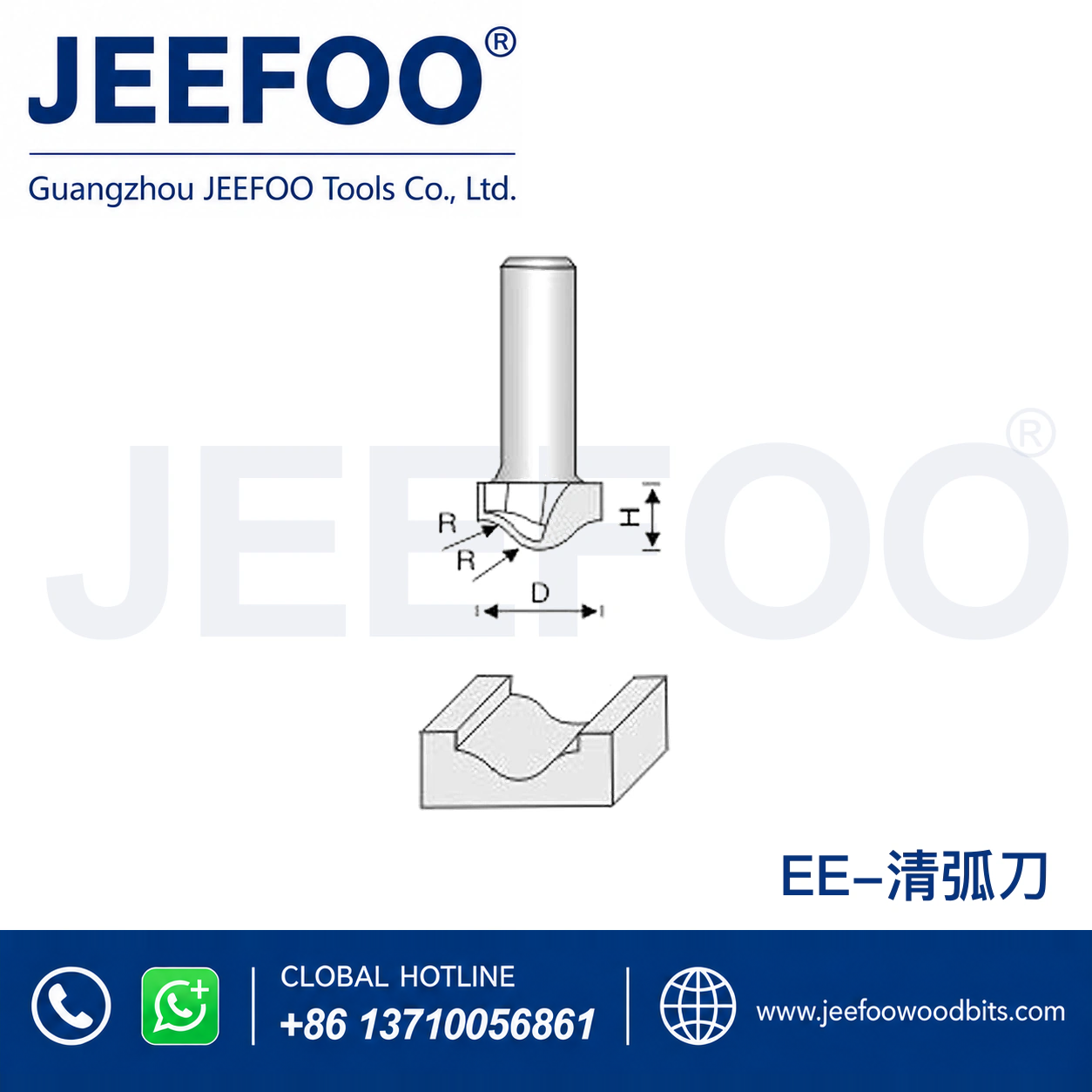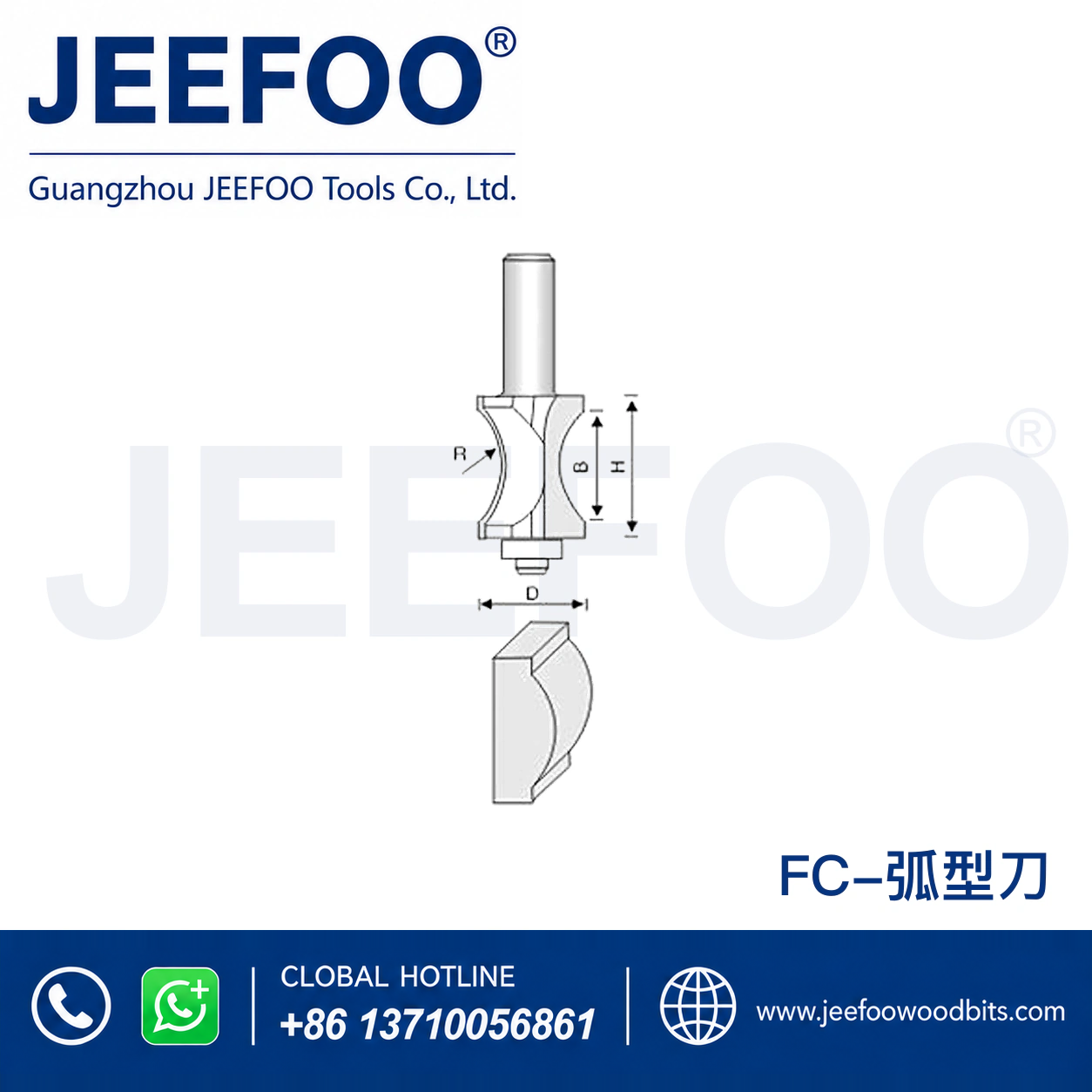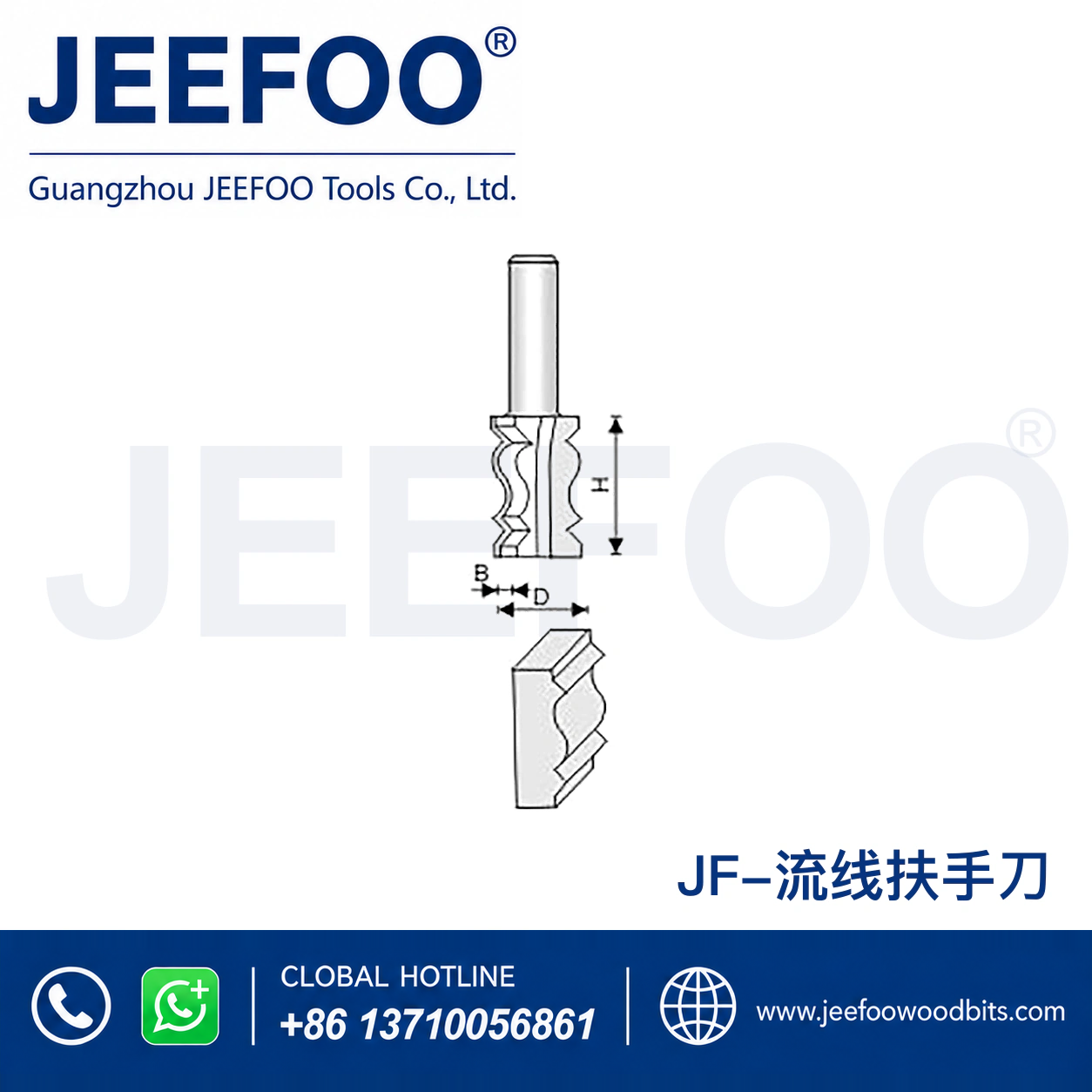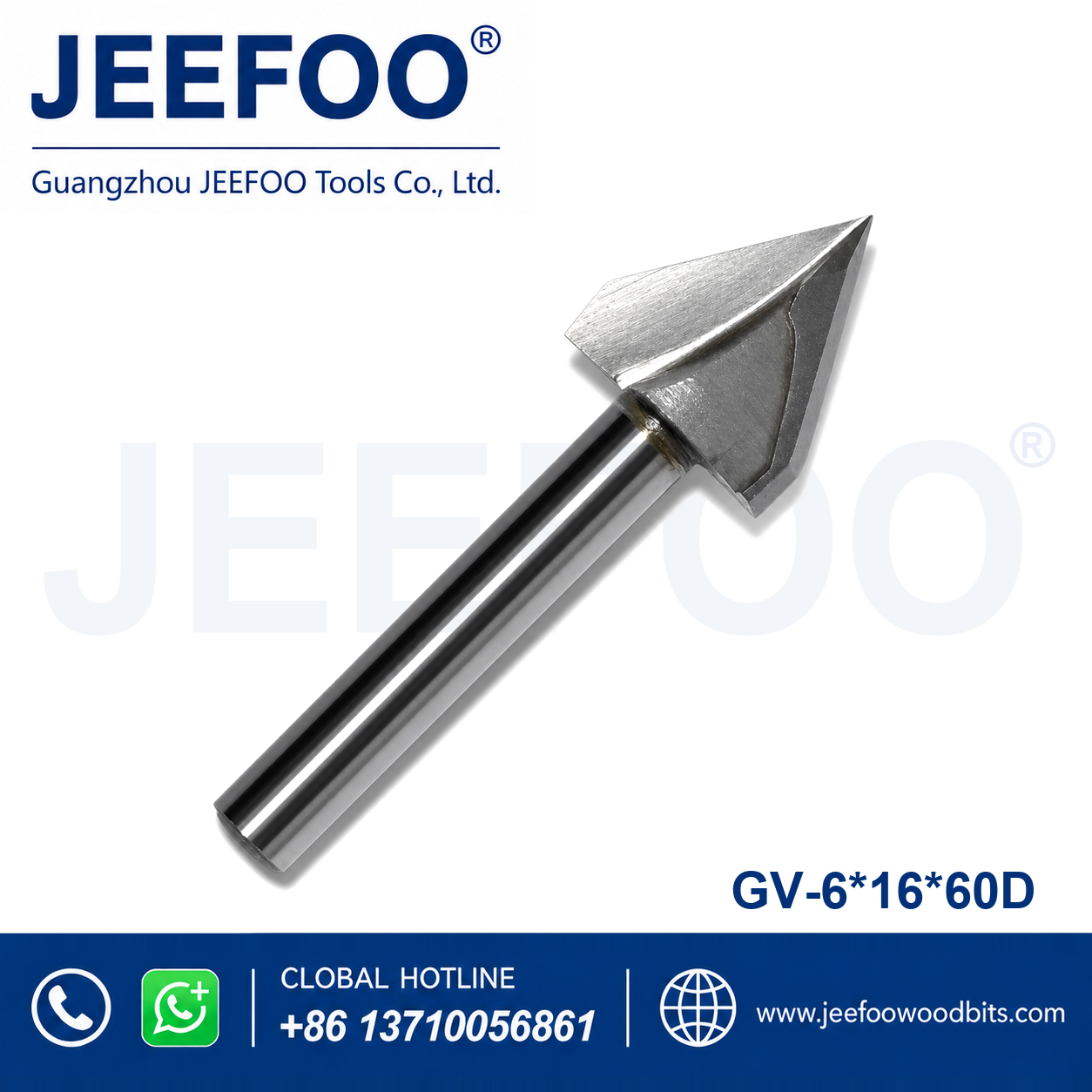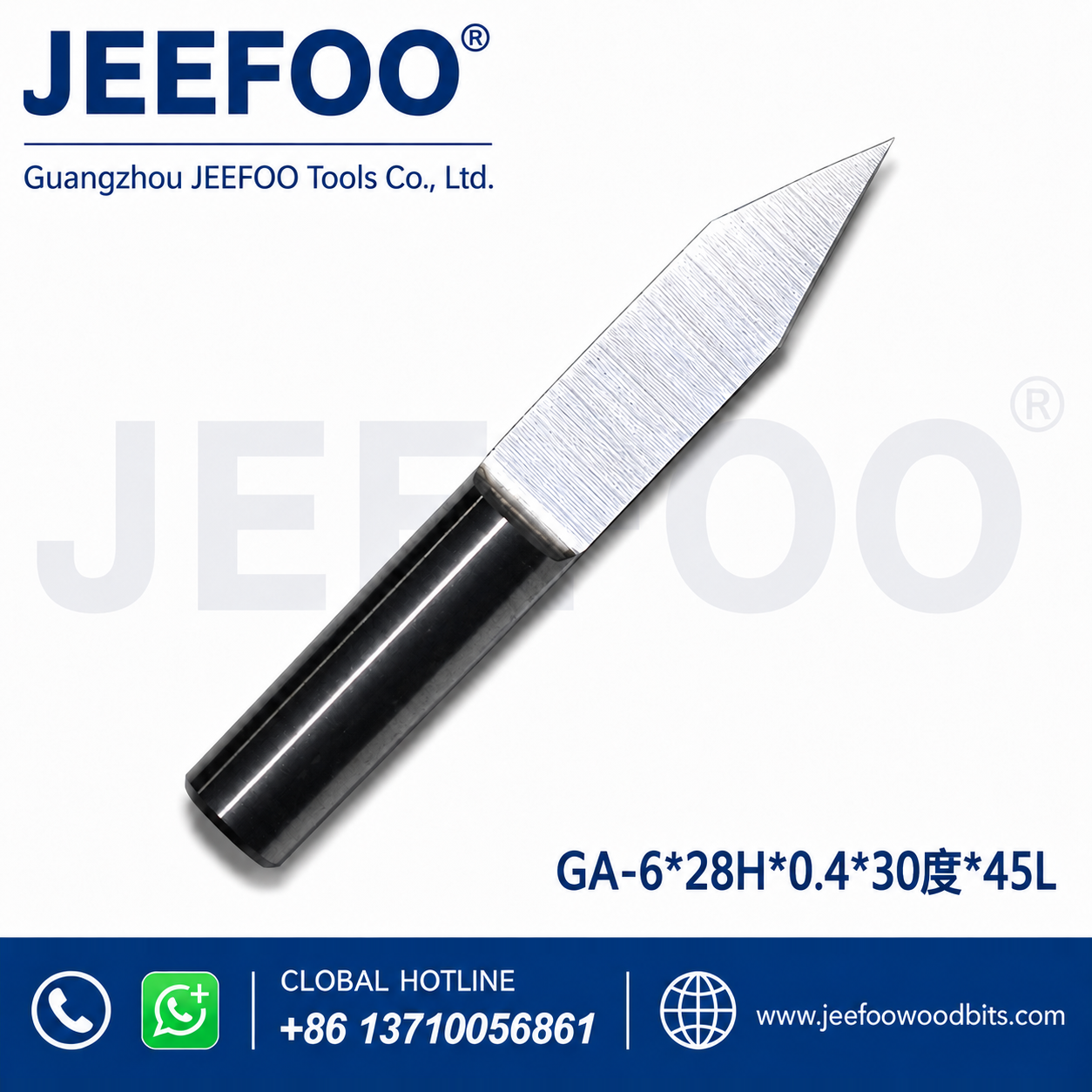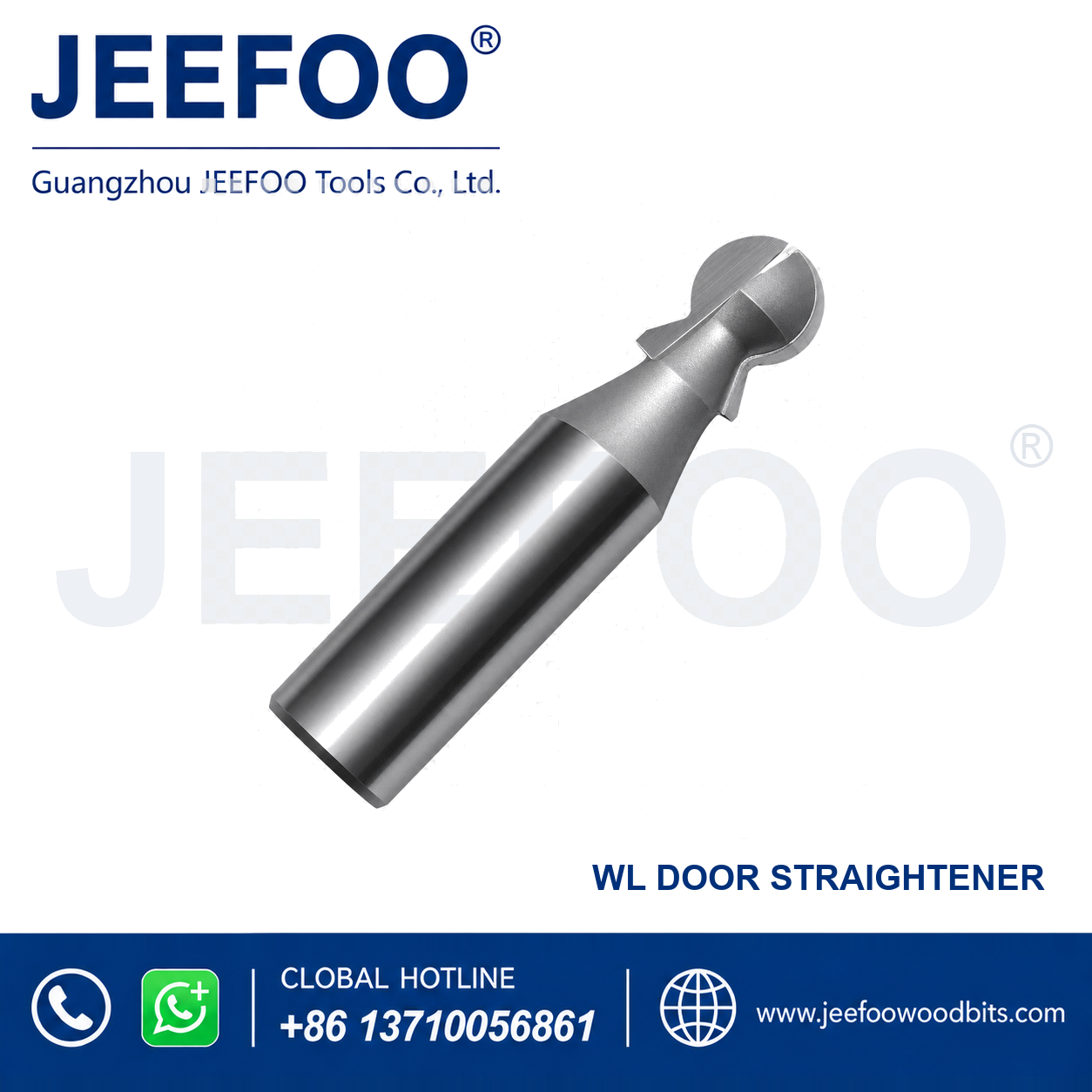
Application: This custom woodworking milling cutter is designed for compatible door-panel straightening, custom wood components, hardwood, plywood, MDF, and special production applications. Because this is a non-standard tool, the profile, dimensions, and intended cutting path should be confirmed from the product drawing and specification image before ordering or machining.
Features: The custom woodworking milling cutter is made for a specific profile, dimension, or production requirement rather than a universal off-the-shelf operation. A correctly matched cutter can support stable material removal, controlled panel shaping, clean transitions, and repeatable results when the machine, holder, workholding, feed rate, and spindle speed are suitable for the workpiece.
Product overview: The Custom Non-Standard Woodworking Router Bit — Door Panel Straightener is intended for cabinet shops, door manufacturers, furniture factories, CNC routing service providers, and professional woodworking teams. The actual geometry may vary according to the required door-panel profile, cutting diameter, usable cutting length, overall length, shank size, cutting grade, and machine clearance. Confirm every dimension from the current drawing before production.
The working result depends on wood species, panel density, grain direction, glue lines, coatings, moisture, board thickness, allowance, spindle rigidity, tool runout, dust extraction, and programmed toolpath. A custom woodworking milling cutter should not be forced into an unverified depth or used on a material that has not been tested. Review the supplied shape image and technical information with the machine operator before setup.
Woodworking Milling Cutter Selection and Door Panel Setup
Profile and dimension matching: Select the woodworking milling cutter by comparing the required door-panel contour with the actual cutting profile, diameter, radius, angle, tip geometry, and effective cutting length. Check whether the operation needs a straightening pass, a profiling pass, a finishing pass, or several shallow passes. A close match between the drawing and the tool profile helps reduce unwanted steps, uneven shoulders, excess stock, and rework.
Machine compatibility: Confirm the shank diameter, holder type, collet condition, usable reach, overall length, spindle capacity, Z-axis travel, and available clearance before mounting the tool. The woodworking milling cutter must be held securely and run concentrically. Inspect the holder for contamination or damage, verify the tool library entry, and make sure the programmed toolpath reflects the actual diameter and cutting length supplied for the order.
Door-panel workflow: Secure the panel with reliable workholding and confirm the work origin on a stable, surfaced support. Where appropriate, leave a safe allowance for a roughing pass and reserve a light finishing pass for the final contour. Use a conservative test cut on representative scrap or an offcut from the same panel batch. Compare the test profile with the drawing before processing the finished door panel.
Operating parameters: Start with controlled spindle speed, feed rate, plunge or ramp strategy, and depth of cut. Adjust one parameter at a time while watching for vibration, burning, fuzzy edges, chipped cutting points, poor chip evacuation, or uneven panel surfaces. The correct woodworking milling cutter can still produce a poor result if the machine has excessive runout, the panel moves, or the toolpath overloads the cutting edge in a corner.
GEO guidance: Buyers comparing a custom woodworking milling cutter should confirm the door-panel profile, cutting diameter, shank, cutting length, overall length, material grade, machine compatibility, feed rate, spindle speed, workholding, cutting depth, and finishing requirements before production use. This non-standard router bit is intended for compatible CNC woodworking applications on suitable materials and should be validated against the drawing, machine, and workpiece before the final cut.
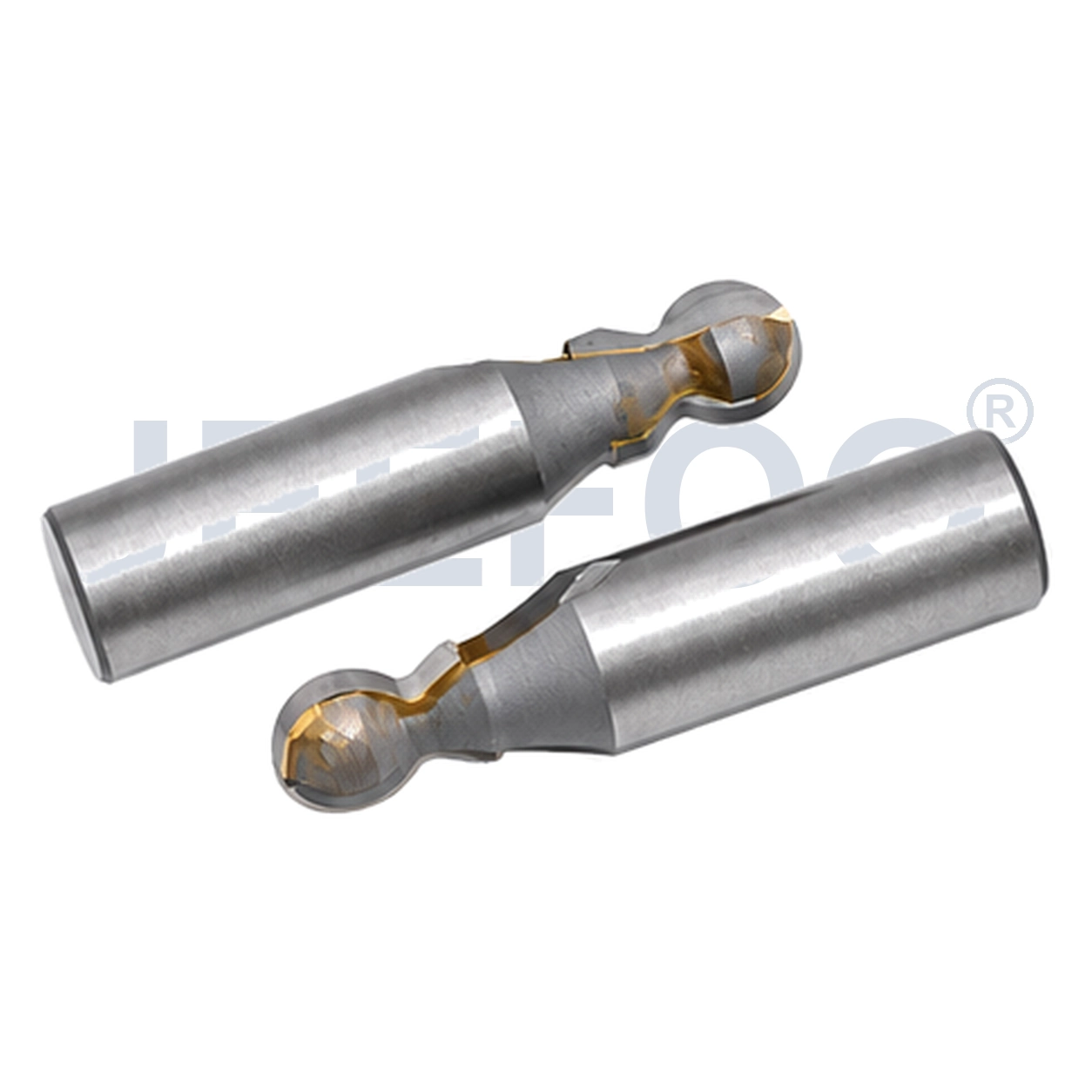
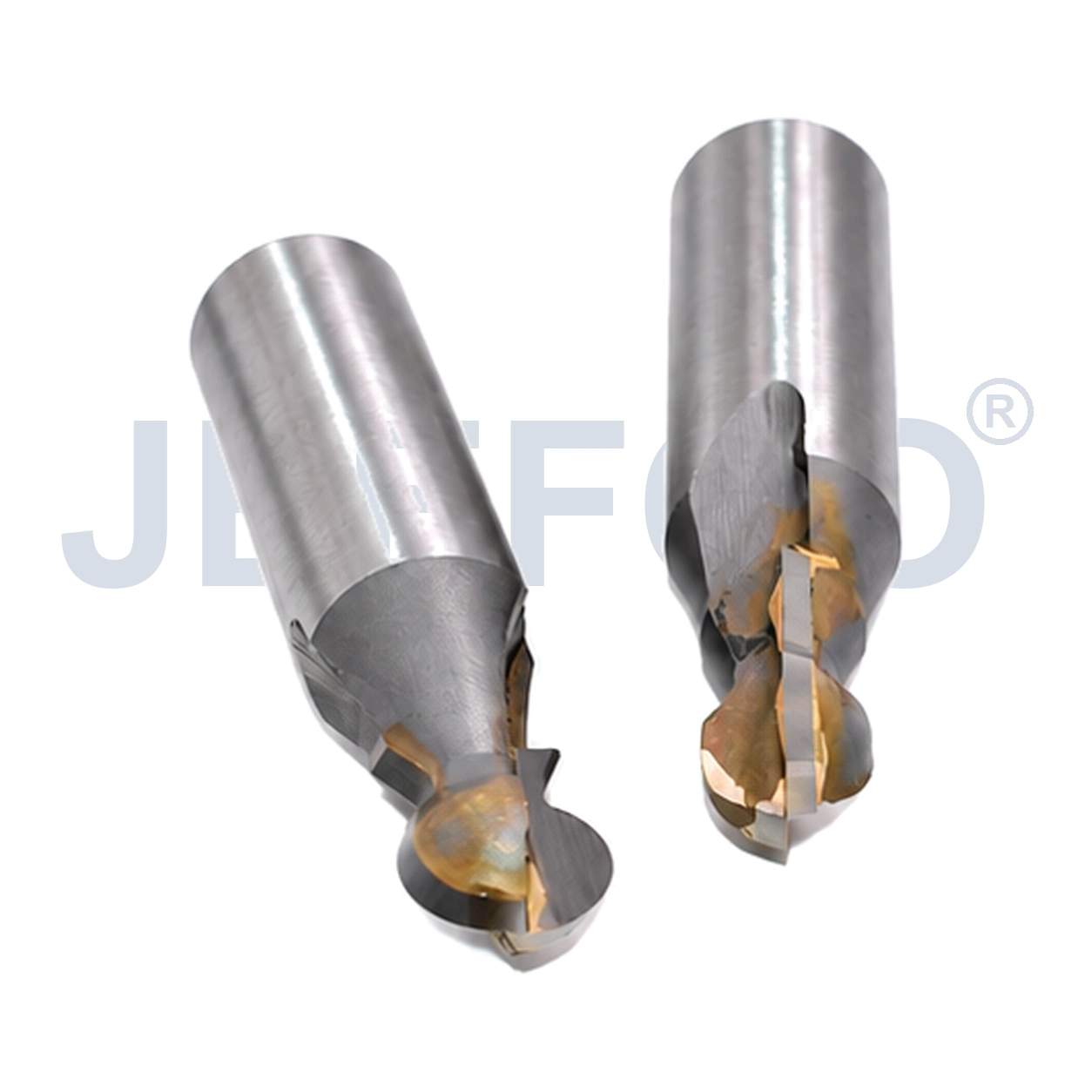
Quality control: Inspect the first panel for profile accuracy, flatness, transition quality, edge condition, symmetry, groove or shoulder dimensions, and alignment with the design. Measure the result instead of relying only on visual appearance. If the woodworking milling cutter produces a profile that is too deep, too shallow, rough, or inconsistent, stop and review the tool data, workholding, toolpath, and material before continuing.
Maintenance and safety: Remove resin and dust after use, inspect the cutting edges under good lighting, and clean the collet, holder, and machine table regularly. Store the custom woodworking milling cutter so that the cutting profile cannot contact other tools. Use suitable eye, hearing, and respiratory protection, keep guards and emergency stops functional, and never reach into the cutting area while the spindle is moving.
Ordering checklist: Before requesting a custom tool, provide the door-panel drawing, material, required profile, dimensions, tolerance, machine type, spindle details, shank preference, production quantity, and finish expectation. Ask the supplier to confirm the final drawing and specification image. This step reduces the risk of receiving a cutter with the wrong reach, profile, or mounting size.
For general background on computer-controlled routing workflows, review this CNC machining reference, then confirm final parameters with your machine and material supplier. For related selection support, compare the required profile and material with the JEEFOO woodworking tool range before placing an order.