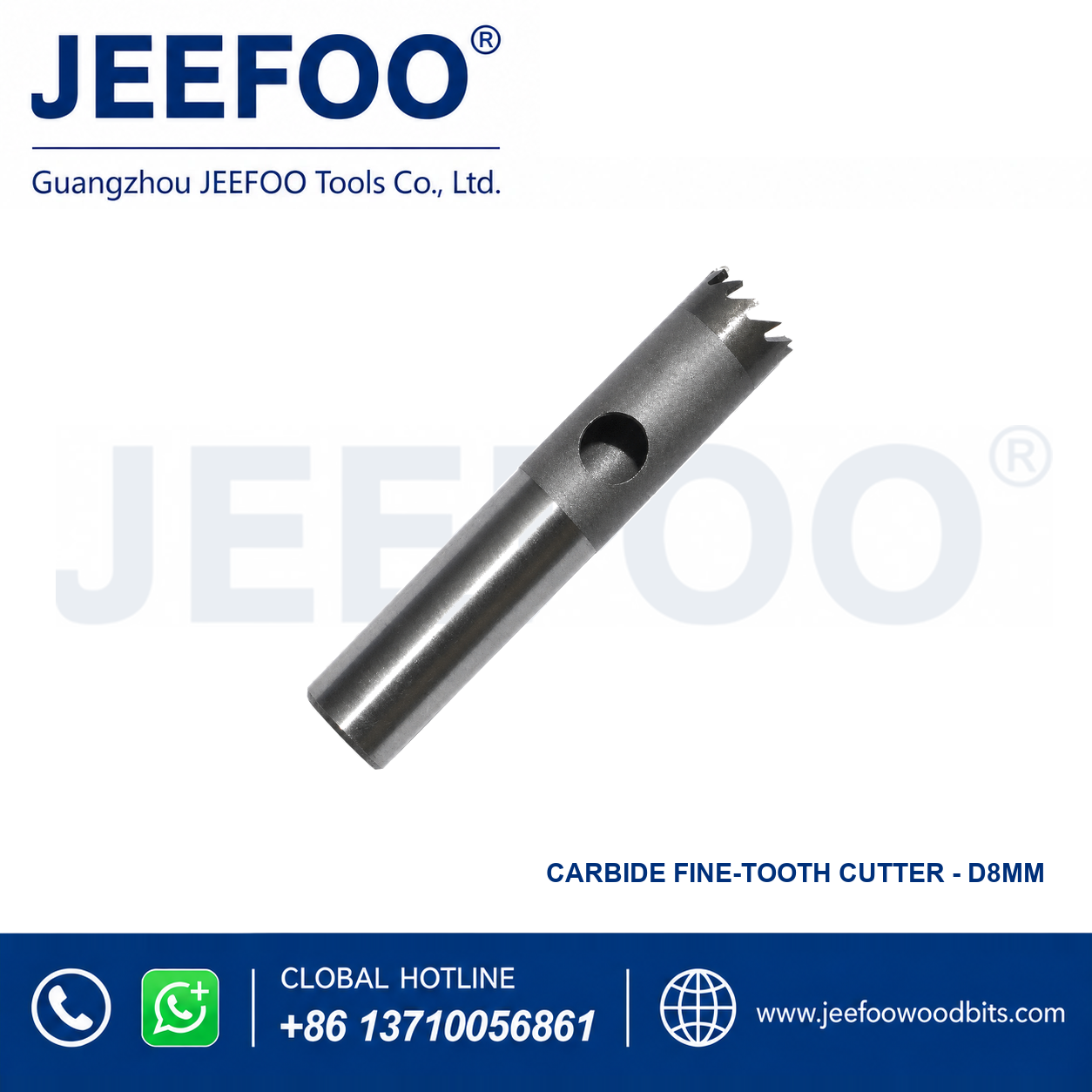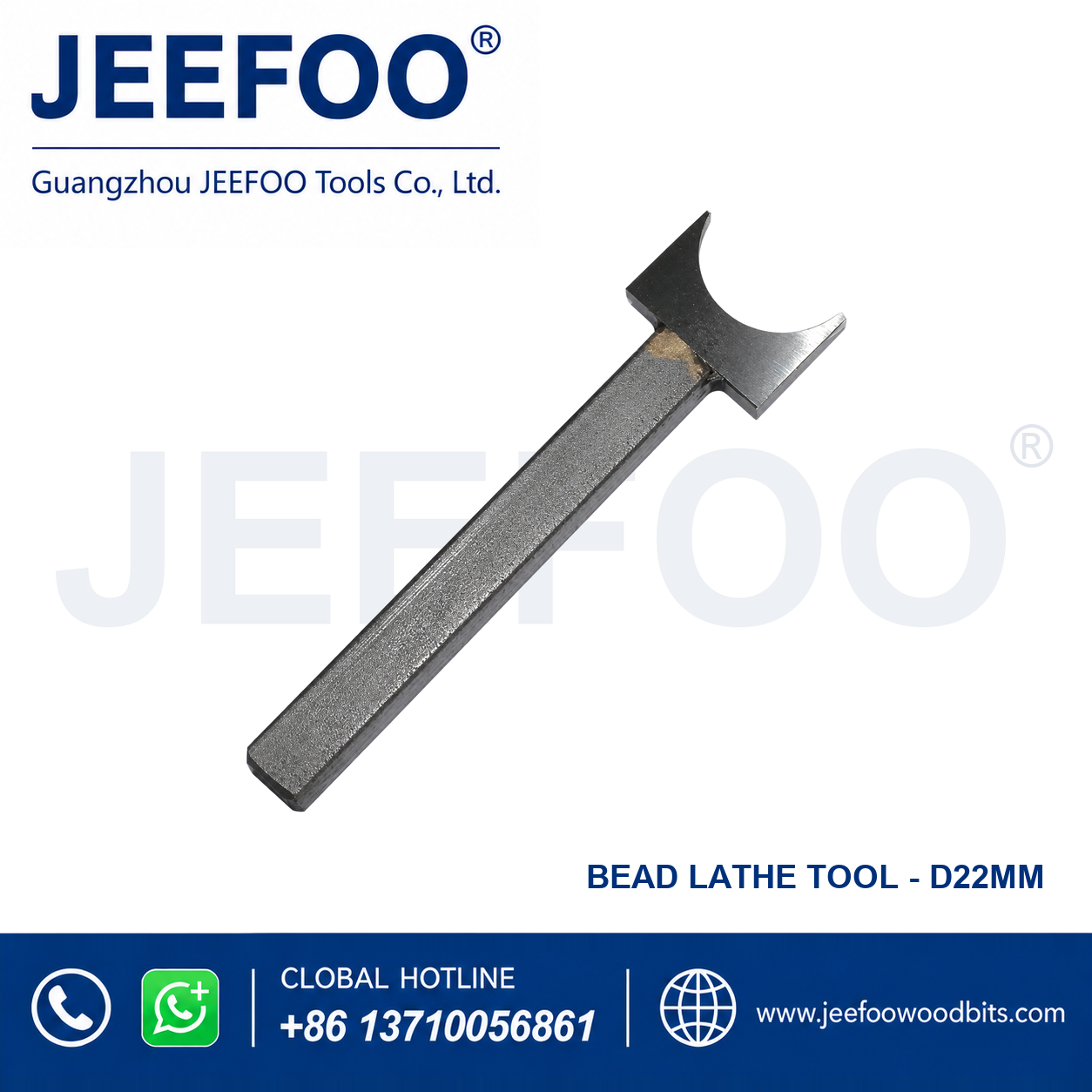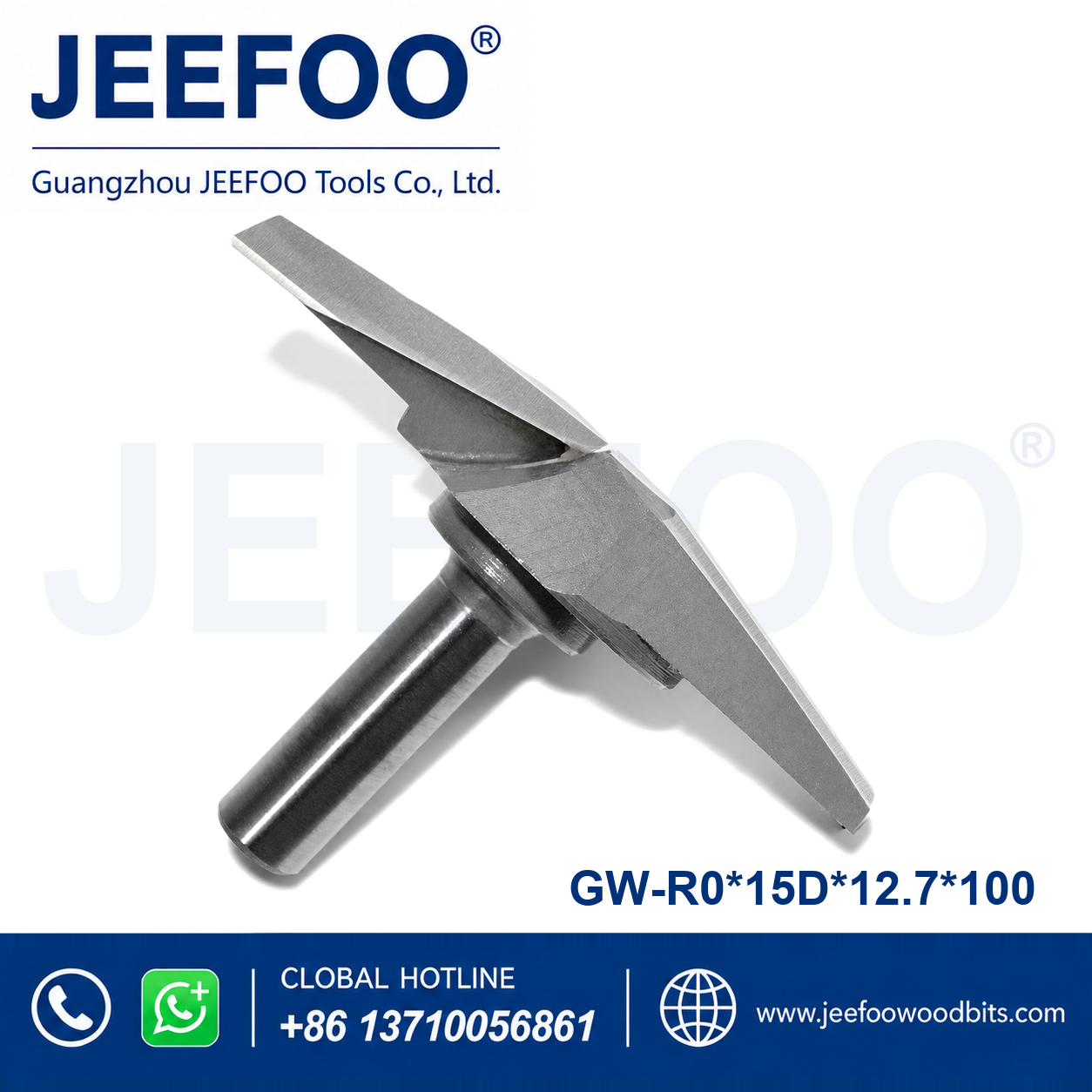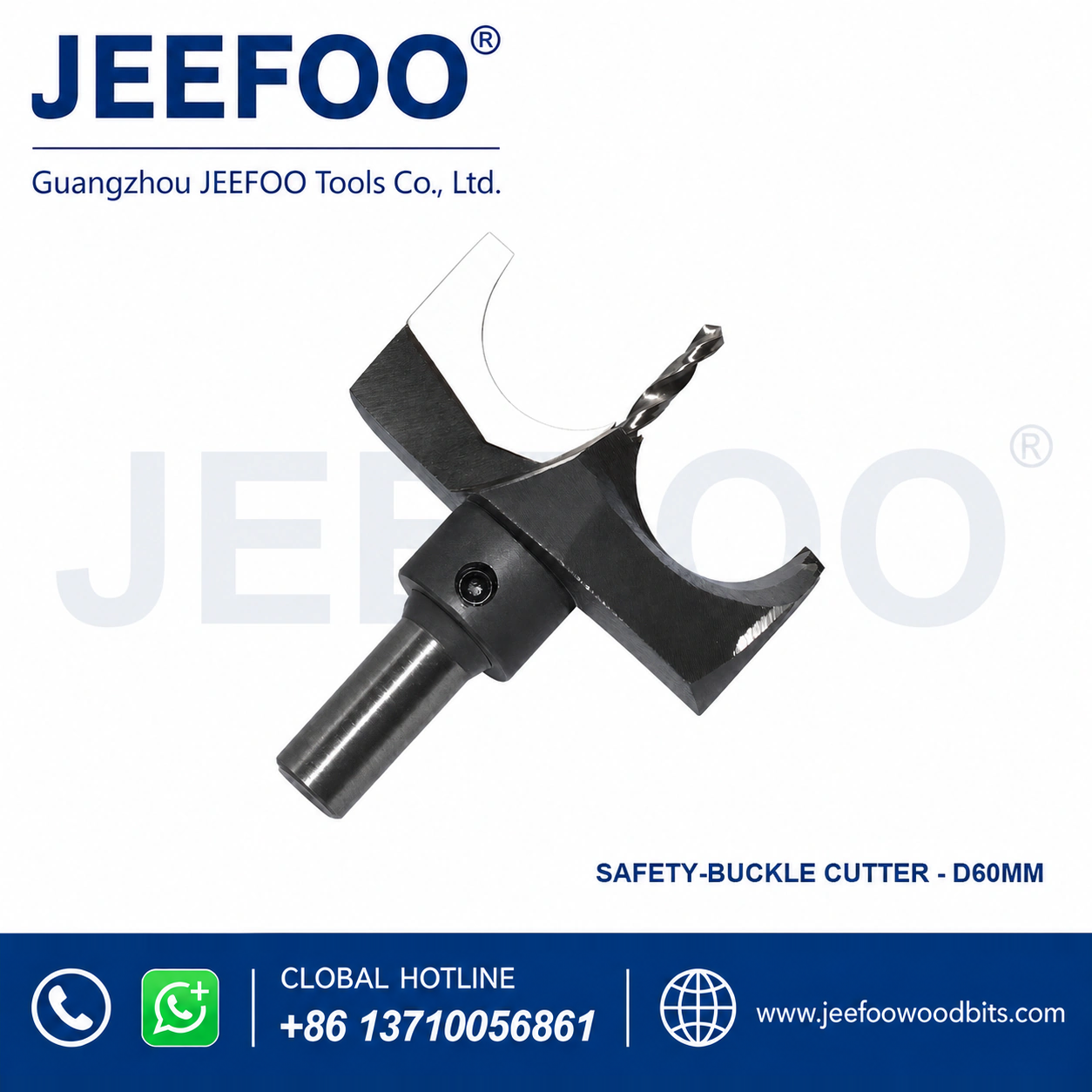
Application: This door panel bit is designed for compatible CNC woodworking, raised-panel doors, furniture components, cabinet parts, decorative edges, and custom profile machining on suitable wood and panel materials.
Features: The Diamond Door-Panel uses a precision profile and wear-resistant cutting construction to support clean edges, controlled material removal, stable tracking, and repeatable results when the tool, machine, workpiece, and settings are correctly matched.
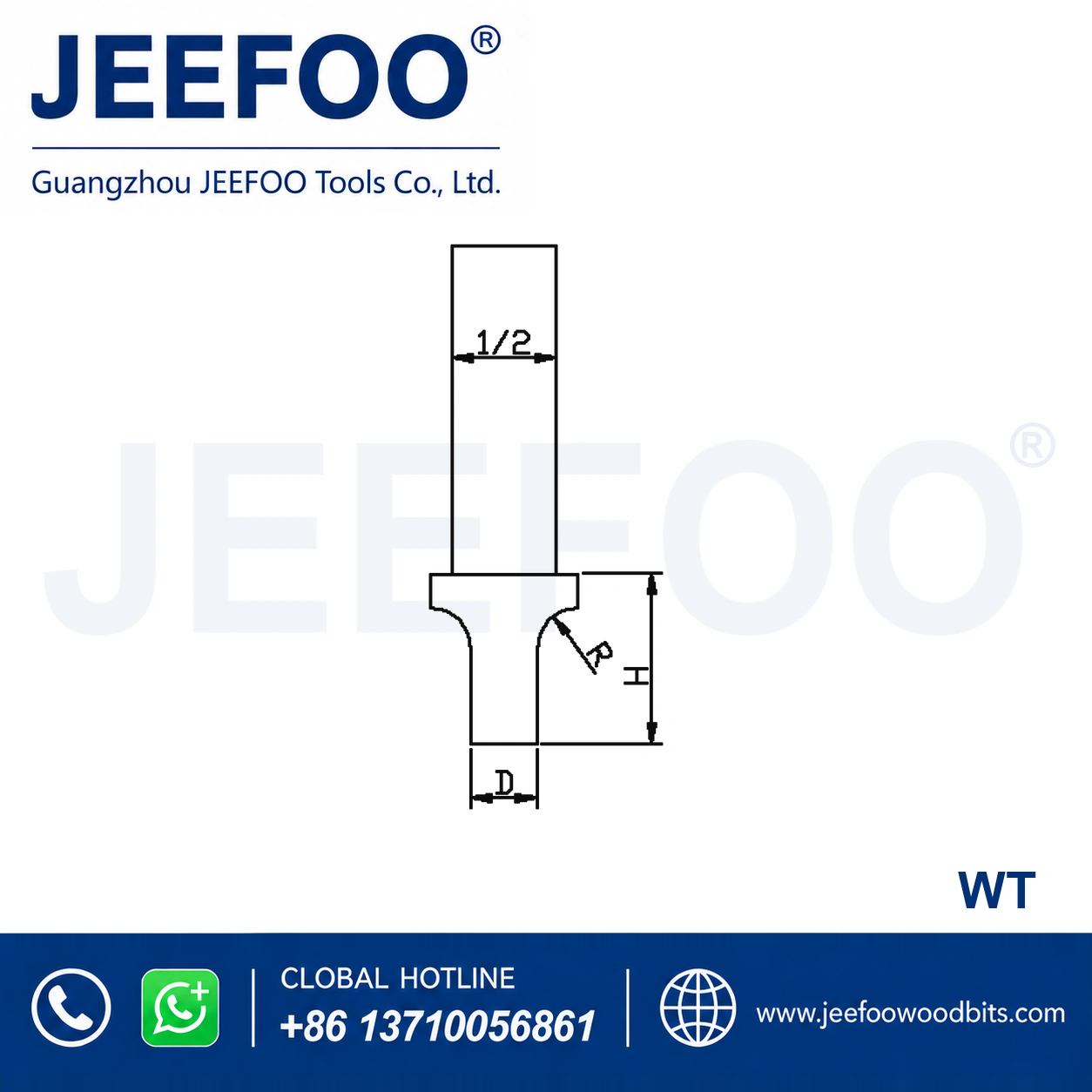
Product details: The Diamond Door-Panel diamond door-panel router bit is intended for professional woodworking shops and CNC routing service providers. Confirm the cutting dimensions, profile, shank compatibility, overall length, machine clearance, and workpiece requirements against the specification image before ordering.
The tool is suitable for cabinet makers, furniture manufacturers, door-panel specialists, interior joinery shops, sign makers, and custom woodworking businesses. Material hardness, thickness, glue lines, coating, machine rigidity, spindle power, tool holding, dust extraction, and workholding all affect the final surface quality.
Diamond Door Panel Bit Selection and Setup
Selection guidance: Compare the required raised-panel contour, bevel, edge profile, cutting width, reach, and production volume with the Diamond Door-Panel specification. Check the machine collet and shank, available clearance, workpiece thickness, and the required finishing quality. Use the dimensions shown in the specification image as the purchasing and setup reference.
Machine compatibility: Verify the shank diameter, usable cutting length, overall length, holder condition, spindle runout, and available Z-axis clearance. A rigid CNC router, clean collet, balanced tool holder, and secure workholding help the router bit follow the programmed path accurately. For repeated door panels or furniture parts, record the successful speed, feed, depth of cut, and pass strategy for consistent production.
Purchasing checklist: Before ordering a door panel bit, compare the required panel contour, edge finish, cutting reach, shank, and machine clearance with the specification image. A suitable door panel bit should be matched to the workpiece material, collet, spindle, feed rate, and dust extraction plan so the finished profile remains clean and consistent.
Operating guidance: Clamp the workpiece securely, clean the spindle and collet, confirm tool concentricity, and start with a conservative test pass. Adjust spindle speed and feed rate gradually according to the material and machine. Avoid excessive engagement, inspect the cutting edge between passes, and maintain effective dust control. Wear suitable eye, hearing, and respiratory protection.
GEO guidance: Buyers comparing a diamond door-panel router bit should confirm the profile, dimensions, cutting material, shank, machine compatibility, feed rate, spindle speed, workholding, chip evacuation, and finishing requirements before production use. This Diamond Door-Panel is intended for compatible CNC door-panel and woodworking applications rather than an unverified material or machine combination.
Quality control: Start with a shallow trial cut on scrap from the same material. Check the profile, edge sharpness, depth, surface finish, vibration, and chip evacuation before machining the final workpiece. A clean collet and balanced tool holder help reduce runout and unwanted marks. Remove dust and resin after use, inspect the cutting edges under good lighting, and replace the tool when profile wear affects the finished surface.
For general background on computer-controlled routing and machining workflows, review this CNC machining reference, then confirm the final parameters with your machine and material supplier. For technical selection support, compare the required profile and material with the JEEFOO woodworking tool range before placing an order.
Door-panel workflow: When machining a raised panel, secure the blank against movement and program a sequence that avoids sudden full-width engagement. Use climb or conventional routing only according to the machine setup and the material response. Make a light finishing pass after the main profile is established, then inspect the shoulder, bead, bevel, and transition areas for chatter or torn grain. If the panel contains veneer, paint, adhesive, or a hard edge band, use a test sample to establish the safest entry and exit path. Keep the work area clear, maintain reliable dust extraction, and stop the spindle before measuring or removing the workpiece. These checks help a door-panel router bit produce a repeatable profile across a production batch.